At a Glance: Are All Hi-Vis Garments Equal?
Short answer: no.
Hi-vis workwear may look similar on a website or worksite, but there are important differences in compliance, visibility level, fabric performance, and suitability for specific roles. These differences matter under UK law and can affect real-world safety.
This breakdown explains what actually separates one hi-vis garment from another, using plain language and practical examples.
Why the “All Hi-Vis Is the Same” Assumption Happens
Many hi-vis garments share bright colours and reflective strips, which creates the impression that they all offer the same protection. In reality, UK safety standards define strict requirements that not every garment meets.
Common reasons for confusion include:
- Similar appearance across different price ranges
- Online listings that focus on colour rather than certification
- Lack of understanding around visibility classes
The First Big Difference: UK Compliance
In the UK, professional hi-vis workwear must meet EN ISO 20471 when visibility is a safety requirement. This standard controls:
- Approved fluorescent colours
- Reflective tape performance
- Minimum coverage areas
If a garment does not meet this standard, it may not be suitable for work where visibility risks exist. This is explained in detail in Guide to Hi Vis Standards in the UK, which outlines how compliance works in practice.
Visibility Classes: Not Just a Technical Detail
Class 1
- Lowest level of visibility
- Suitable for low-risk or controlled environments
Class 2
- Medium visibility
- Common for roadside work and delivery roles
Class 3
- Highest visibility
- Required for high-speed traffic, night work, and motorways
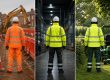
Two hi-vis jackets can look alike, yet offer very different protection depending on their class.
Fabric and Build Quality Make a Real Difference
Q: Why does some hi-vis feel heavier or stiffer?
Higher-quality hi-vis often includes:
- Stronger stitching
- Better colour retention
- More durable reflective tape
- Weather-resistant coatings
Lower-quality options may fade quickly or lose reflectivity after repeated washing, which can reduce effectiveness.
Reflective Tape Placement Is Not Random
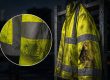
Reflective tape is designed to outline the human body so drivers and machine operators recognise a person faster.
Key differences include:
- Tape width and continuity
- Placement on sleeves and torso
- Visibility from multiple angles
Garments with minimal or poorly placed tape may still look bright but offer reduced recognition in low light.
Fit and Design: Often Overlooked, Still Important
Ill-fitting hi-vis can:
- Restrict movement
- Distort body shape recognition
- Reduce comfort during long shifts
Properly designed garments maintain visibility while allowing workers to move naturally. This is why garment choice should match job demands, as outlined in Choosing the Right Hi Vis for Your Job Role.
Does Customisation Change Anything?
Many workplaces now use personalised hi vis workwear or custom made hi vis workwear to identify teams, supervisors, or site roles.
From a safety perspective:
- Customisation is acceptable under UK standards
- Reflective tape must remain uncovered
- Fluorescent surface area must not be reduced
Custom high vis workwear that follows these rules can be just as compliant as non-custom garments.
Common Questions People Ask
Is brighter hi-vis always safer?
Can cheaper hi-vis still be compliant?
Do all jobs need the same hi-vis?
Does hi-vis stop working over time?
A Simple Way to Tell Hi-Vis Apart
Before buying or issuing hi-vis workwear, ask:
- Does it meet EN ISO 20471?
- What visibility class is it?
- Is it suitable for this job role?
- Will it hold up in this environment?
- Does personalisation affect compliance?
If the answer is unclear, the garments are not equivalent.
What This Means in Practice
Hi-vis workwear is not interchangeable. Two garments can look similar but perform very differently when visibility really matters. UK safety rules recognise these differences because they affect how quickly workers are seen and how safely work can be carried out.
Conclusion
If you are reviewing compliant options or exploring custom solutions, you can view suitable ranges at Brook Hi Vis.