Imagine a customer visiting a busy shop, warehouse or service centre. Several employees are wearing matching uniforms, but the customer does not know whom to approach.
A name printed on a uniform could make that interaction easier. However, displaying employee names is not always necessary or appropriate.
For UK businesses considering Personalised Workwear, the decision involves more than appearance. Employee privacy, workplace safety and the nature of the job all deserve consideration.
When are Employee Names Actually Useful?
For example, customers may find it easier to communicate with receptionists, hospitality staff or retail assistants when they can address someone by name.
Names can also help colleagues identify one another in larger workplaces, particularly when new employees join.
However, a name does not automatically improve customer service. The benefit depends on whether identification genuinely helps employees perform their roles.
Businesses already considering branded uniforms may find our article When Does It Make Sense to Upgrade From Standard to Personalised Workwear? useful for understanding the wider decision.
First Names, Full Names or Job Titles?
| Identification | Practical consideration |
| First name | Friendly and less identifying than a full name |
| Full name | Greater identification, but potentially unnecessary exposure |
| Job title | Helps customers identify responsibilities without displaying a name |
| Staff number | Useful for some internal systems, but may still identify an individual |
For many customer-facing roles, a first name may provide sufficient identification.
Where personal safety is a concern, displaying a job title such as Supervisor or Customer Support could be more appropriate.
Does UK GDPR Apply to Names on Workwear?
Under UK GDPR and the Data Protection Act 2018, employers must have an appropriate lawful basis for processing personal information, including using names for workplace identification.
The Information Commissioner’s Office (ICO) explains that employers must handle workers’ information lawfully, fairly and transparently.
This does not mean employee names are prohibited on uniforms.
However, employers should establish why names are necessary, explain the purpose to employees and consider whether less identifying alternatives would achieve the same result.
Employee consent is not automatically required in every situation, and relying on consent can be problematic where employees do not have a genuinely free choice.
What If an Employee Doesn't Want Their Name Displayed?
Some employees may feel uncomfortable displaying their names because of previous harassment, unwanted attention or personal safety concerns.
Others may simply prefer not to share identifying information with strangers.
Employers should consider these concerns individually and assess whether another approach could work.
A role-based badge, removable identification or first-name-only policy may offer a practical alternative.
The important point is to avoid collecting or displaying more personal information than the business genuinely needs.
Should Names Be Printed or Embroidered?
For personalised workwear t shirts, printed names may be practical, particularly where employees need lightweight clothing.
Personalised workwear hoodies can accommodate printed or embroidered names, depending on the fabric and intended use.
Embroidery may provide a durable finish, but permanently stitched names can make garments difficult to reassign when employees leave.
Our article Embroidery or Printing: Which Is Better for Personalised Workwear? explains the differences between common decoration methods.
Removable badges may be more economical for workplaces with frequent staffing changes, provided they do not create snagging or other safety risks.
What About Names on High-Visibility Clothing?
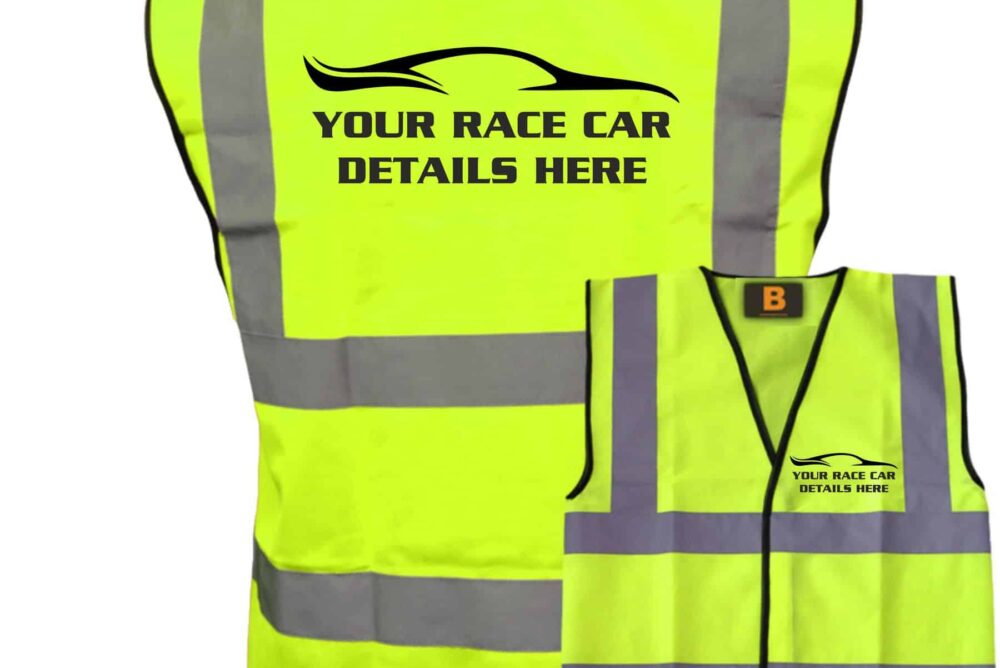
For custom high visibility jackets, employee names must not compromise the garment’s required visibility or protective performance.
The Health and Safety Executive’s guidance on high-visibility clothing emphasises selecting clothing appropriate for the work, wearer and surrounding hazards.
Names should therefore be positioned carefully, without interfering with necessary fluorescent or reflective materials.
Our article Can You Personalise Hi-Vis Vests Without Affecting EN ISO 20471 Compliance? provides further context on personalising safety garments.
Is There a Better Alternative for Some Teams?
A small retail business might benefit from first-name identification, while a construction contractor may find company logos and job titles more useful.
Businesses could also consider detachable name badges, interchangeable patches or department identification.
Before placing an order, check whether your supplier can accommodate individual names, replacements and future staffing changes.
Our guide How to Choose the Right Supplier for Personalised Workwear in the UK covers useful supplier considerations.
Conclusion
First names, job titles and removable identification can offer different benefits depending on workplace needs and privacy considerations.
Planning personalised uniforms for your team? Explore Brook Hi Vis for personalised workwear hoodies and custom high visibility jackets, with branding options that suit your employees’ roles and working environments.