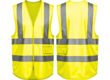
A basic fluorescent vest once covered many workplace needs. Today, workers may expect far more from the clothing they wear for eight or more hours at a time.
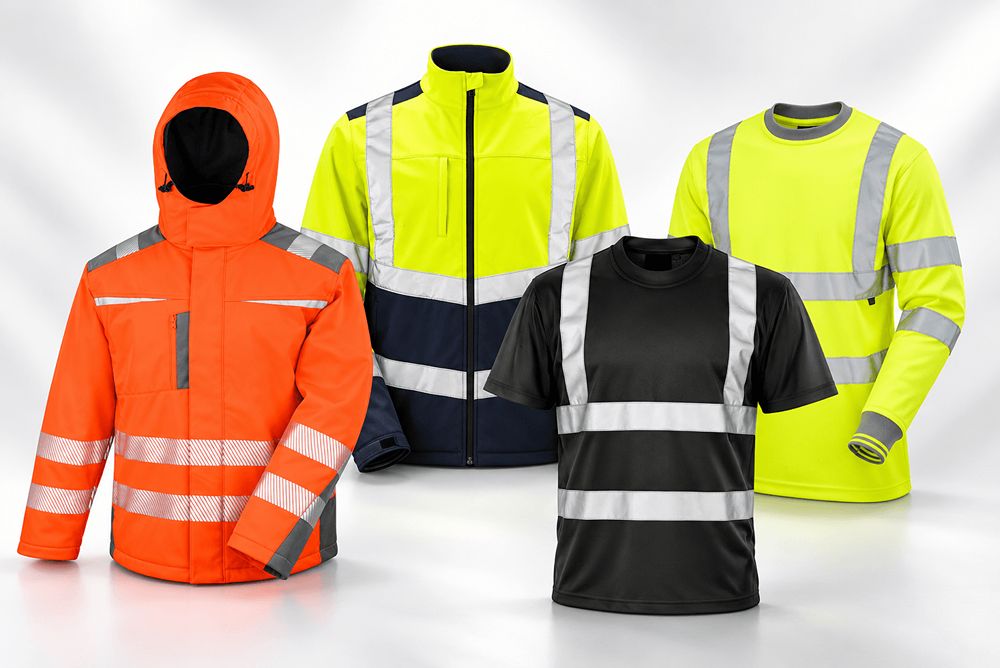
Modern Hi Vis Workwear is increasingly being designed around how people actually work. Better fabrics, practical pockets, improved fits, weather protection and more flexible layering are changing what employers look for when choosing clothing.
But what exactly makes hi-vis “smarter”, and does smarter always mean adding technology?
Smarter Doesn't Have to Mean Electronic
Those technologies exist in parts of the wider PPE market, but smarter hi-vis can be much simpler. A garment that manages moisture effectively, gives workers greater freedom of movement or works across changing weather conditions can be a smarter choice without containing any electronics.
The real shift is towards workwear designed around the wearer and the job rather than simply meeting a basic clothing specification.
Comfort is Becoming Part of the Buying Decision
Workers may spend an entire shift walking, bending, lifting, driving or operating equipment. Poorly fitting clothing can become uncomfortable very quickly in those situations.
Modern garments may offer lighter fabrics, improved sizing, stretch panels or more ergonomic designs.
Our article How Worker Comfort Is Shaping Modern Hi-Vis Design looks more closely at why practical wearability deserves attention alongside safety performance.
Breathability is Getting More Attention
Heavy clothing can become uncomfortable when physical activity increases. This has encouraged greater interest in lightweight and moisture-managing garments.
A breathable garment still needs to be appropriate for the hazards involved, but comfort can help workers manage long periods of wear more easily.
This growing demand is explored further in Why Breathable Hi-Vis is Growing in Demand Across the UK.
Workwear is Becoming More Role-Specific
A delivery driver may need a lightweight vest for quick stops but a waterproof jacket for prolonged outdoor work. A warehouse operative may prioritise breathability, while someone working near moving traffic may have different visibility requirements.
That is why smarter purchasing starts with a risk assessment and an understanding of the job.
Where high-visibility clothing is required as PPE, UK employers need to ensure it is suitable for the risks identified and compatible with other protective equipment being used.
Better Layering Makes Clothing More Adaptable
Rather than relying on one heavy garment, workers can use suitable layers to adjust to temperature and weather changes. Depending on the job, this might involve a base layer, fleece and weather-resistant hi-vis outer garment.
This approach can make clothing more adaptable across the working day.
Our guide to Choosing Hi-Vis for Long Shifts and All-Day Wear explains why layering, fit and working conditions should be considered together.
Small Features Can Solve Everyday Problems
For example, workers may benefit from:
- Secure zipped pockets
- Practical ID holders
- Adjustable cuffs and hems
- Two-way zips
- Better-positioned pockets
- Lightweight weather-resistant fabrics
A feature only has real value when it helps someone perform their job comfortably and safely. More pockets or technical-looking panels do not automatically make a garment better.
Personalisation Is Becoming More Practical Too
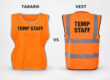
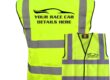
Businesses can use embroidery or printing to identify teams, roles and departments while maintaining a consistent professional appearance.
However, personalisation of certified high-visibility PPE needs careful consideration. Branding should not obscure retroreflective material or compromise the fluorescent background areas necessary for the garment’s certified performance.
Smart personalisation therefore means balancing brand visibility with the primary purpose of the clothing.
What About Wearable Technology?
Such technology may have applications in particular workplaces, but it should not be treated as a substitute for established risk controls or suitable PPE.
Employers also need to consider practical questions such as reliability, training, maintenance, battery life and, where worker data is collected, privacy and data-protection obligations.
For many workplaces, smarter workwear currently means choosing better-designed conventional clothing rather than adopting connected garments.
Compliance Still Comes First
Where PPE is required, UK employers must ensure it is suitable, properly maintained and used correctly. High-visibility clothing intended for high-risk situations may also be certified to BS EN ISO 20471.
Before introducing a new style across a workforce, What Employers Should Check Before Issuing Hi-Vis PPE provides a useful reminder of the practical checks employers should make.
The Smartest Garment Is the One That Fits the Job
Businesses should consider where employees work, how much they move, weather exposure, shift length, visibility risks and how frequently garments need cleaning.
That approach turns workwear purchasing from simply choosing a product into choosing clothing around real working conditions.
Conclusion
Thinking about updating your team’s hi-vis rather than simply replacing like for like? Get in touch Brook Hi Vis offers workwear options for different roles, seasons and working environments, helping businesses choose clothing around the way their teams actually work.