Issuing hi-vis clothing might seem like a simple task.
Hand it out. Tick the compliance box. Move on.
But in reality, this is one of the most important moments in your safety process. Once hi vis PPE is issued, it becomes part of how your team stays visible and protected every day.
So, before anything is handed over, what should employers actually be checking?
Here is a clear, practical way to approach it.
Step 1: Confirm It Is Actually Suitable for the Job
Under the Personal Protective Equipment at Work Regulations 1992 (as amended), PPE must be suitable for the risks identified.
That means asking:
- What are the visibility risks?
- Is there vehicle movement involved?
- What are the lighting conditions?
- Is the work indoors, outdoors, or both?
Hi-vis for a warehouse role is not the same as hi-vis for roadside work.
If you are unsure how mismatches happen, this is worth reviewing:
What UK Businesses Get Wrong When Buying Hi-Vis PPE
Suitability starts before the garment is even issued.
Step 2: Check Certification and Compliance
Every piece of hi vis PPE must meet recognised standards.
Before issuing, confirm:
- EN ISO 20471 certification
- Correct class rating (Class 1, 2, or 3)
- UKCA or CE marking
- Manufacturer labels are intact
If any of these are missing or unclear, the garment may not be compliant.
Issuing non-compliant PPE can create both safety risks and legal exposure.
Step 3: Make Sure the Class Matches the Risk
This step is often rushed, but it matters.
Quick guide:
- Class 1: Low-risk environments
- Class 2: Moderate risk (e.g. urban work)
- Class 3: High-risk (e.g. high-speed traffic areas)
Employers should match the garment class to:
- Traffic speed
- Distance from moving vehicles
- Duration of exposure
- Time of day
Bright enough” is not a valid measure. The class must align with the risk.
Step 4: Inspect the Garment Before It Goes Out
Even brand-new hi-vis should be checked.
Look for:
- Clean, undamaged reflective strips
- Even stitching with no loose threads
- No visible defects in fabric
- Clear visibility of reflective bands
It only takes a few minutes, but it ensures that what you issue is fit for purpose from day one.
Step 5: Check Fit for Each Worker
One size does not fit all.
Before issuing:
- Ensure the garment fits properly
- Check that reflective strips sit in the correct positions
- Confirm the worker can move freely
Poor fit can affect both comfort and visibility.
If garments are uncomfortable or restrictive, workers may not wear them correctly. This is explored further here:
How Worker Comfort Is Shaping Modern Hi-Vis Design
Fit is not just about comfort. It is about proper function.
Step 6: Review Any Customisation
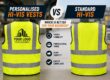
If you are issuing custom work clothing, check that branding has not affected compliance.
Before issuing, confirm:
- Logos do not cover reflective tape
- Fluorescent background area remains sufficient
- Certification labels are still visible
Customisation must not reduce the garment’s performance under EN ISO 20471.
Step 7: Explain How It Should Be Worn
Issuing PPE without guidance is a missed opportunity.
Workers should understand:
- When hi-vis must be worn
- How it should be fastened
- Why correct use matters
- What to do if it becomes damaged
Clear communication improves compliance and reduces misuse.
Step 8: Set Expectations for Maintenance
Hi-vis clothing does not stay effective forever.
Employers should explain:
- How to care for the garment
- Washing instructions
- When to report damage
- Replacement procedures
If this step is skipped, garments may remain in use long after their performance has dropped.
For bulk purchasing considerations linked to maintenance and durability, this guide may help:
What to Check Before Ordering Hi-Vis Workwear in Bulk
Step 9: Keep a Record of Issued PPE
A simple but important step.
Maintain records of:
- Who received what
- Date of issue
- Garment type and class
- Replacement history
This supports compliance and helps track wear cycles over time.
A Simple Pre-Issue Checklist
Before issuing hi vis PPE, run through this quick summary:
- Is it suitable for the specific role?
- Is it EN ISO 20471 compliant?
- Is the class correct for the risk level?
- Has the garment been inspected?
- Does it fit the worker properly?
- Does customisation maintain compliance?
- Has the worker been given clear instructions?
If all answers are yes, you are in a much stronger position.
Final Thoughts
Issuing hi-vis PPE is not just an admin task. It is a key part of workplace safety.
Taking a few extra minutes to check suitability, fit, and compliance can prevent problems later, from discomfort to reduced visibility and unnecessary replacements.
If you are reviewing your process or planning to update your custom work clothing and hi vis PPE approach, a more structured issuing process can make a real difference.
For guidance on compliant solutions tailored to your workforce, reach out Brook Hi Vis.