High-visibility clothing is one of the most recognisable forms of workplace safety gear in the UK.
Yet despite how common it is, there are still plenty of misunderstandings about how it works, what makes it effective, and what the law actually requires.
If you work in construction, logistics, roadside operations, or any high-risk environment, it is worth separating fact from assumption.
Let’s break down some of the most common myths and what UK workers should really know.
Myth 1: “If It’s Bright, It’s Safe”
Reality: Bright colour alone is not enough.
Fluorescent fabric improves visibility in daylight, but it does very little in low-light or night-time conditions. That is where reflective tape becomes essential.
Under EN ISO 20471, compliant garments must combine:
- Fluorescent background material
- Retroreflective strips
- Minimum coverage areas
This is explained in more detail here:
Why Visibility Depends on More Than Just Colour
If your garment only stands out in daylight, it is not providing full protection.
Myth 2: “All Hi-Vis Clothing Is the Same”
Reality: There are different classes, and they matter.
Hi-vis clothing is divided into:
- Class 1
- Class 2
- Class 3
Each class provides a different level of visibility based on reflective material and fluorescent coverage.
For example, a warehouse role may not require the same level as roadside work in heavy traffic.
Wearing the wrong class can mean you are technically visible, but not protected for the level of risk.
Myth 3: “You Only Need Hi-Vis Outdoors”
Reality: Indoor environments can be just as risky.
Warehouses, distribution centres, and factories often involve:
- Forklifts
- Moving machinery
- Poor lighting in certain areas
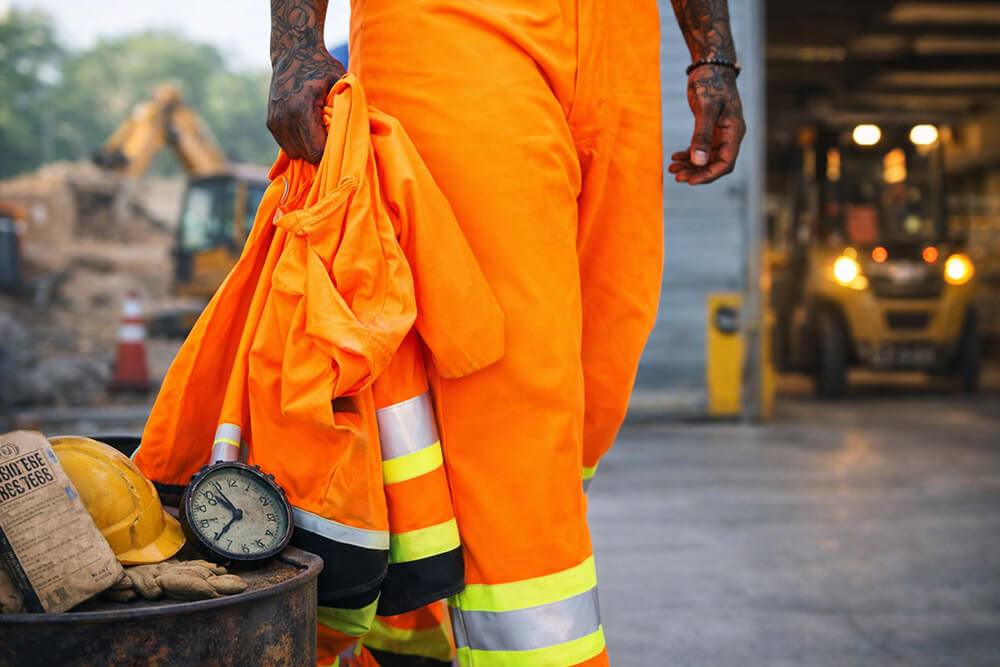
Hi-vis helps distinguish workers from surroundings and moving equipment, even indoors.
Urban environments add another layer of complexity, which is explored here:
What Makes Hi-Vis Effective in Busy Urban Areas
Visibility is about context, not location.
Myth 4: “It Doesn’t Matter How It Fits”
Reality: Fit directly affects safety.
An oversized jacket may:
- Shift reflective strips out of position
- Hide body shape and movement
A tight garment may:
- Restrict movement
- Discourage proper use
Modern hi-vis design increasingly focuses on comfort and fit because wearability impacts compliance. This shift is discussed here:
How Worker Comfort Is Shaping Modern Hi-Vis Design
If it is not worn correctly, it cannot protect effectively.
Myth 5: “Hi-Vis Lasts Forever”
Reality: Performance reduces over time.
Fluorescent colours fade. Reflective strips wear out. Repeated washing and exposure to dirt or chemicals affect performance.
Under UK PPE regulations, employers must ensure that PPE remains effective. That means:
- Regular inspections
- Timely replacements
- Awareness of wear and tear
If your hi-vis looks dull or damaged, it may no longer meet EN ISO 20471 requirements.
Myth 6: “More Logos Make It Look Better”
Reality: Too much customisation can reduce safety.
Many businesses invest in hi vis clothing personalised or custom made hi vis workwear for branding.
However, adding large logos or prints can:
- Reduce the fluorescent background area
- Interfere with reflective tape
- Affect compliance with EN ISO 20471
Smart custom high vis workwear balances branding with safety requirements.
When done properly, personalisation works. When done poorly, it creates risk.
Myth 7: “One Jacket Covers All Situations”
Reality: Different conditions require different solutions.
UK weather and working environments vary throughout the year.
You may need:
- Lightweight garments for summer
- Waterproof layers for rain
- Insulated options for winter
- Breathable fabrics for high activity roles
Relying on a single garment for all conditions often leads to discomfort and improper use.
Myth 8: “Hi-Vis Is Just a Compliance Box”
Reality: It is a critical safety system.
Hi-vis clothing is not just about meeting regulations. It is about:
- Being seen early
- Giving drivers time to react
- Reducing accident risk
The Health and Safety at Work etc. Act 1974 requires employers to protect workers as far as reasonably practicable. Proper hi-vis selection plays a role in that responsibility.
Treating it as a tick-box exercise often leads to poor choices.
What Should UK Workers and Employers Take Away?
If you are relying on hi-vis daily, it is worth asking:
- Does this garment meet EN ISO 20471 standards?
- Is it suitable for my working environment?
- Is it still in good condition?
- Does customisation affect performance?
- Am I wearing it correctly at all times?
Understanding these basics helps avoid the most common mistakes.
Final Thoughts
Hi-vis clothing is simple in concept but more complex in practice.
Many of the risks come not from lack of equipment, but from misunderstanding how it should work.
If you are reviewing your current approach or planning to invest in custom hi vis workwear, custom high vis workwear, or custom workwear UK solutions, taking the time to separate myth from reality can lead to better decisions.
For guidance on compliant, practical solutions tailored to your workforce, contact Brook Hi Vis.