The Workwear Whisper, a blog about the chaotic world of work.
NEW CONTENT COMING SOON! KEEP YOUR EYES OPEN AND YOUR PPE ON!
♥
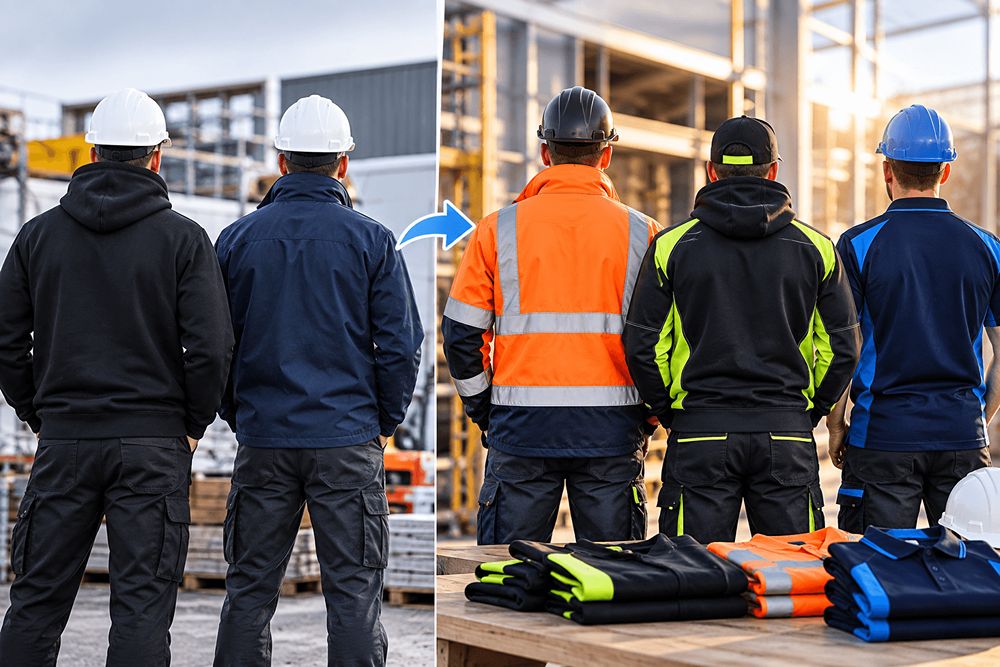
Standard workwear can do its job perfectly well. A plain polo, hoodie, jacket or hi-vis vest may be all a small team needs, particularly when employees work away from customers. But businesses change. Teams grow, employees become more customer-facing, and maintaining a consistent company image starts to matter more. At that point, upgrading to personalised…
Details
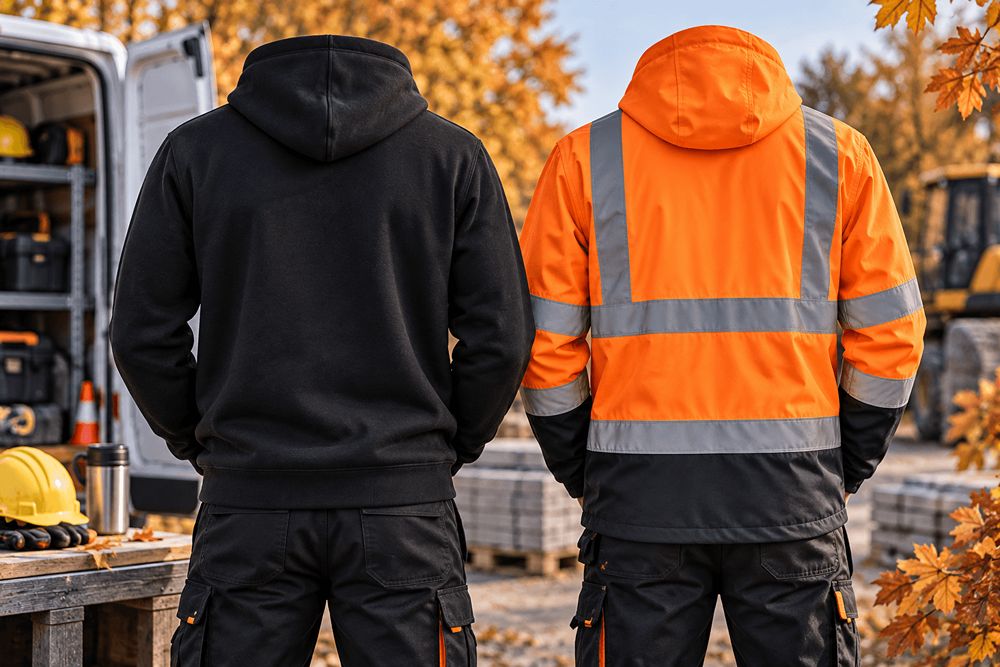
Autumn can be one of the trickiest seasons for choosing workwear. A cool morning may be followed by a mild afternoon, while wind and rain can arrive with very little warning. For businesses updating their uniforms, this often creates a choice between Personalised Workwear Jackets and personalised workwear hoodies. Both can provide warmth and company…
Details
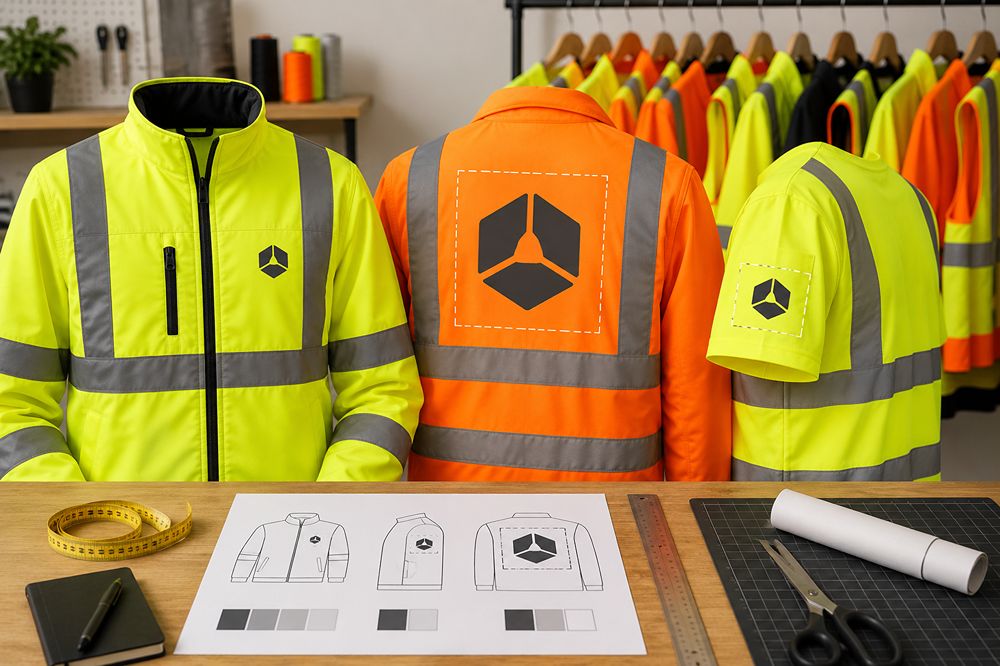
When you’re adding a company logo to hi-vis clothing, bigger isn’t necessarily better. A large logo may be easier to spot, but high-visibility workwear has another job that comes first: helping the wearer remain conspicuous. Branding that takes up too much space or interferes with reflective material can create problems. So, how big should a…
Details
When a company logo is added to a hi-vis jacket, you are looking after two things at once: the garment’s visibility performance and the personalised design. That does not necessarily mean Personalised Hi Vis Jackets require a complicated cleaning routine. It does mean you should pay closer attention to the manufacturer’s care instructions, particularly when…
Details
Outdoor teams rarely have the luxury of working in predictable conditions. A cool morning can turn mild by lunchtime, while wind and light rain can make the temperature feel very different within hours. That is one reason Personalised Work Fleeces have become a useful part of many workplace uniforms. They provide warmth without the bulk…
Details
At a busy festival, sporting event or outdoor show, visitors often need to find a steward quickly. Staff may also be working around vehicles, temporary structures, crowds and poorly lit areas. That is why Hi Vis Clothing for event teams is about more than putting everyone in a bright vest. The clothing needs to suit…
Details
Walk onto any construction site, warehouse, school trip, or event in the UK and you will see one thing in common: hi-vis vests. However, not all businesses choose the same approach. Some stick with plain, standard garments, while others invest in personalised hi vis vests featuring company logos, staff names, or job titles. So, which…
Details
You have invested in branded workwear, added your company logo, and handed out fresh uniforms to your team. A few months later, you notice that some prints still look brand new, while others are beginning to crack or fade. So, how long should custom printing actually last on hi vis clothing personalised for your workforce?…
Details
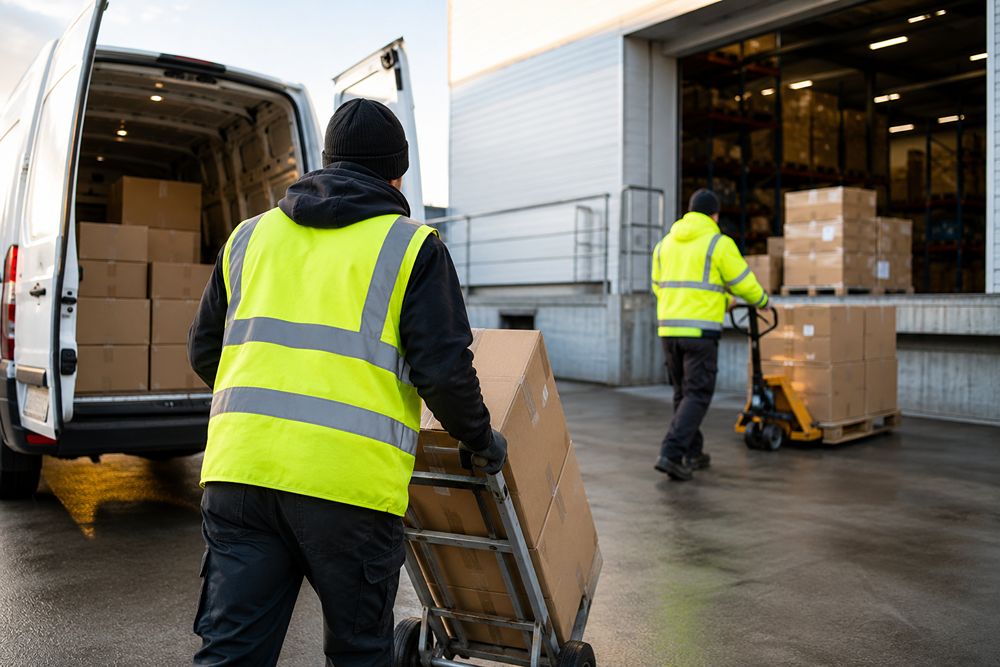
A delivery driver might spend the morning unloading pallets at a warehouse, the afternoon making home deliveries, and the evening navigating busy roads in poor weather. Logistics teams rarely stay in one place for long, which means their workwear needs to cope with a wide range of conditions. The challenge is that there is no…
Details
Choosing a supplier for your workwear sounds straightforward. Find a company, upload your logo, place an order, and wait for the delivery. In reality, it is not always that simple. The supplier you choose will affect how your team looks, how comfortable they feel, and, in some industries, whether your clothing meets important safety standards.…
Details