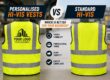
Selecting the correct high-visibility clothing is more than a workplace preference. In the UK, it’s a legal requirement under the Personal Protective Equipment at Work Regulations 1992, and employers must ensure staff have suitable garments that meet BS EN ISO 20471 safety standards. Whether you wear custom hi vis daily or switch between different tasks, the right choice depends on your job environment, visibility risks, and the level of protection required.
Below, you’ll find a clear breakdown written from a worker’s point of view: what to buy, what the law expects, and how to match a hi vis garment to your role.
What Does UK Law Require When Choosing Hi Vis?
- Carry out a risk assessment for visibility-related hazards
- Provide hi-vis free of charge, when needed
- Ensure every garment meets BS EN ISO 20471 standards
- Replace damaged or faded items
- Provide training on correct use
For workers, this means you should always check the label for the ISO standard and confirm with your employer if the garment suits your working conditions.
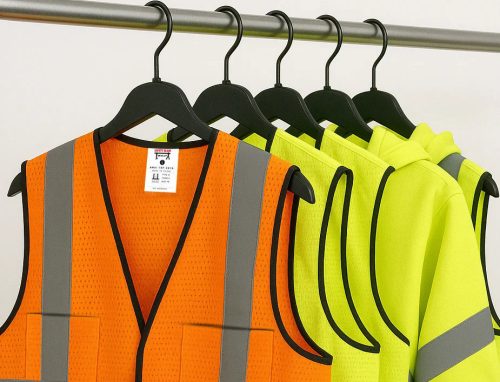
What Hi Vis Class Do You Need for Your Role?
Class 1 – Low-Risk Environments
Why: Lower visibility risk and controlled, low-speed environments
Typical options: Hi-vis waistcoats, low-coverage vests
Class 2 – Medium-Risk Environments
Why: More reflective tape and background fabric for better detection
Typical options: Hi-vis polo shirts, hi-vis t-shirts, mid-coverage vests
Class 3 – High-Risk Environments
Why: Highest level of visibility required at long distances and poor weather
Typical options: Full-sleeve jackets, hi-vis coats, coveralls
Does Hi Vis Colour Matter for Different Job Roles?
Fluorescent Yellow
- Most recognised colour in the UK
- Common for general construction, warehousing, logistics
Fluorescent Orange
- Required for rail workers under RIS-3279-TOM
- Preferred for roadside and vehicle operators
Fluorescent Red
- Used in higher-risk settings where orange/yellow blends with the environment
Choosing colour isn’t only preference in many industries, it’s a compliance requirement.
What Type of Hi Vis Works Best for Your Job?
Q: What hi vis is best for outdoor workers?
Q: What hi vis is best for warehouse staff?
Q: What hi vis is best for delivery drivers?
When Should You Consider Custom or Personalised Hi Vis?
- Fast identification on large sites
- Improving professionalism
- Showing job roles (e.g., “Supervisor”, “First Aider”)
- Enhancing team visibility during emergency situations
- Preventing loss or mix-ups of gear
Custom made hi vis workwear often uses heat-seal vinyl or embroidery, ensuring logos or text do not compromise reflective area which is important for ISO compliance.
How to Check If a Hi Vis Garment Is Compliant?
- Is the label marked BS EN ISO 20471?
- Is the reflective tape intact and continuous?
- Does the garment provide the coverage needed for your environment?
- Has the colour faded? (Fading reduces compliance)
- Does it fit correctly without restricting movement?
If the answer is “no” to any of these, replacement may be required.
Signs You're Wearing the Wrong Hi Vis for Your Role
- Drivers not noticing them early enough
- Struggling to stay visible in rain or fog
- Clothing too warm or too heavy for their task
- Tape peeling after washing
- Hi vis clashing with industry regulations (e.g., using yellow where orange is required)
If any of these feel familiar, it’s time to reassess the type and class of hi vis being used.
FAQs: Common Questions People Ask Before Buying Hi Vis
Do I need a specific hi vis for night work?
Can personalised hi vis clothing still be compliant?
How often should hi vis be replaced?
Is hi vis required by law in all industries?
Conclusion
If you need properly designed, compliant, and comfortable high-visibility clothing, explore the range at Brook Hi Vis.