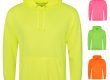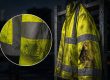
Walk onto any worksite in the UK and you’ll see a mix of fluorescent yellows, oranges, and sometimes even reds. But these colours aren’t chosen at random. Under EN ISO 20471, hi vis colour codes determine how visible a worker must be in different environments.
If you wear high-visibility clothing daily or use custom hi vis for your team understanding these colour codes helps ensure you stay compliant, safe, and easily seen.
To make things clearer, this guide breaks down what each colour means, when it should be used, and how the UK’s safety rules influence your choices.
Why Do Hi Vis Colour Codes Matter?
Colour choice affects:
- Contrast with the environment
- Distance visibility
- Industry-specific requirements
- Compliance with EN ISO 20471 and other sector rules
What Colours Does EN ISO 20471 Approve?
1. Fluorescent Yellow
Best for: Construction, logistics, warehousing, highways, general outdoor work.
Why: High contrast in most daylight conditions.
2. Fluorescent Orange
Best for: Road workers, traffic management, vehicle marshals.
Important: Rail workers must use a specific variant known as High-Visibility Orange (RIS-3279-TOM compliant).
3. Fluorescent Red
Best for: Industrial plants, ports, emergency teams in unique visibility conditions.

How Do Colour Codes Fit into EN ISO 20471 Classes?
Class 1 – Lowest Coverage
- Works indoors or in low-risk areas
- Typically, yellow or orange vests
Class 2 – Medium Coverage
- Suitable for roadside workers and drivers
- Often seen in orange or yellow t-shirts and polos
Class 3 – Highest Coverage
- Required for high-speed traffic areas
- Typically, full-sleeve jackets in yellow or orange
The colour chosen must still comply with the minimum luminance and chromaticity requirements of EN ISO 20471.
Colour Code Breakdown: When Should You Use Each One?
Q: When should workers wear yellow hi vis?
Q: When is orange hi vis mandatory?
Q: Why would someone choose red hi vis?
How Colour Choice Impacts Personalisation and Custom Workwear
- How well logos display
- Whether text remains visible from a distance
- Compliance (logos can’t cover reflective areas)
When ordering custom made hi vis workwear, always ensure:
- The base colour meets EN ISO 20471 standards
- Personalisation does not reduce the required fluorescent area
- Printing inks or embroidery threads do not interfere with reflectivity
Personalised hi vis remains compliant as long as modifications stay clear of reflective tape and required coverage zones.
Common Problems People Face When Choosing a Colour
“Why does my yellow vest look faded?”
“Is orange better than yellow?”
“Can I mix colours for different roles?”
“Why do some companies avoid red?”
FAQs
Is yellow or orange more visible?
Do colour codes affect night-time visibility?
Can personalised hi vis reduce compliance?
Is red hi vis legal in the UK?
Conclusion
For compliant, comfortable, and well-designed high-visibility clothing, explore the collection at Brook Hi Vis.