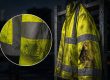
Hi-vis clothing is everywhere on UK worksites, from road maintenance crews to warehouse teams. But many workers and employers still ask the same question: does wearing high-visibility clothing actually reduce workplace injuries, or is it just a box-ticking exercise?
With more businesses investing in custom hi vis workwear and personalised hi vis workwear, it is worth looking at what the evidence really shows and how UK law views visibility as a safety control.

Why Visibility Is Linked to Injury Prevention
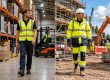
Workplace injuries often occur because workers are not seen in time. Hi-vis workwear improves contrast between a person and their surroundings, helping drivers, machine operators, and colleagues react sooner.
Reduced reaction time means:
- Fewer vehicle-to-person collisions
- Lower risk of reversing accidents
- Better awareness in low-light or busy environments
What UK Law Says About Hi-Vis and Safety
Under the Personal Protective Equipment at Work Regulations 1992 (as amended), employers must provide PPE when risks cannot be controlled by other means. Hi-vis workwear is required when there is a visibility risk.
UK law does not claim hi-vis eliminates injuries. Instead, it recognises hi-vis as a risk-reduction control, particularly when combined with:
- Site planning
- Safe traffic routes
- Training and supervision
This approach is consistent with guidance from the Health and Safety Executive (HSE).
What the Evidence Shows from UK Workplaces
1. Transport and Roadside Work
UK safety studies consistently show that visibility plays a major role in preventing vehicle-related injuries. Workers wearing compliant hi-vis are detected earlier by drivers, especially in poor weather or early mornings.
2. Construction Sites
Construction environments involve moving plant, reversing vehicles, and changing layouts. Hi-vis improves worker recognition, especially when site conditions are noisy or visually cluttered.
3. Warehouses and Yards
Forklift and pallet truck incidents remain a common cause of injuries. Hi-vis helps operators identify people in aisles, loading bays, and blind corners.
The evidence supports one clear point: hi-vis reduces the likelihood of accidents caused by poor visibility, which is a major contributor to serious injuries.
What Hi-Vis Cannot Do on Its Own
Hi-vis workwear does not prevent injuries caused by:
- Unsafe systems of work
- Poor training
- Equipment failure
- Fatigue or rushed behaviour
This is why UK guidance stresses that hi-vis must be part of a wider safety strategy, not treated as a replacement for proper controls.
Does Personalised or Custom Hi-Vis Make a Difference?
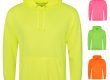
Many employers now use custom made hi vis workwear or custom high vis workwear to identify roles, supervisors, or first aiders.
This can reduce injuries by:
- Making authority figures easy to spot
- Helping workers quickly find trained staff
- Reducing confusion on large or multi-contractor sites
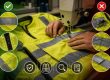
Personalisation must not interfere with reflective tape or fluorescent coverage to remain compliant with EN ISO 20471.
What Makes Hi-Vis Effective at Reducing Risk?
Hi-vis performs best when it:
- Meets the correct EN ISO 20471 class
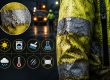
- Is suitable for the environment and lighting
- Is replaced when faded or damaged
- Fits properly and allows free movement
These principles are explained in more detail in Guide to Hi Vis Standards in the UK, which helps employers understand compliance responsibilities.
Common Questions Workers Ask (PAA-Style)
Does hi-vis reduce serious injuries or just minor incidents?
Is hi-vis required in all workplaces?
Does colour matter for injury prevention?
Can custom workwear in the UK still be compliant?
How Hi-Vis Fits into a Smarter Safety Approach
Hi-vis works best when combined with:
- Clear walkways and traffic routes
- Adequate lighting
- Speed controls
- Training and supervision
Choosing the correct garment for the role is equally important, which is covered in Choosing the Right Hi Vis for Your Job Role.
What the Evidence Really Tells Us
Hi-vis workwear does not make workplaces risk-free. What it does do is reduce one of the most dangerous variables: being unseen. UK data, HSE guidance, and real-world experience all point to the same conclusion. When visibility improves, reaction time improves, and injuries linked to collisions become less likely.
Conclusion
If you are reviewing visibility risks or upgrading compliant workwear, you can explore suitable options at Brook Hi Vis.